Fourteen Weeks Before an American High School — Taiyo Nishimura's Immersion
Where do you finish off your English before starting high school overseas?
There are plenty of options. Taiyo Nishimura chose Clark — fourteen weeks at Talk Academy as preparation before entering high school in the United States.
I studied at Talk Academy for fourteen weeks to build up my English before starting high school in America.
This is the record of how those fourteen weeks actually went. And as it unfolds, it becomes clear that the period he booked as exam preparation did not stay that.
The classroom had teenagers from several countries
The first thing his account mentions is not the lessons.
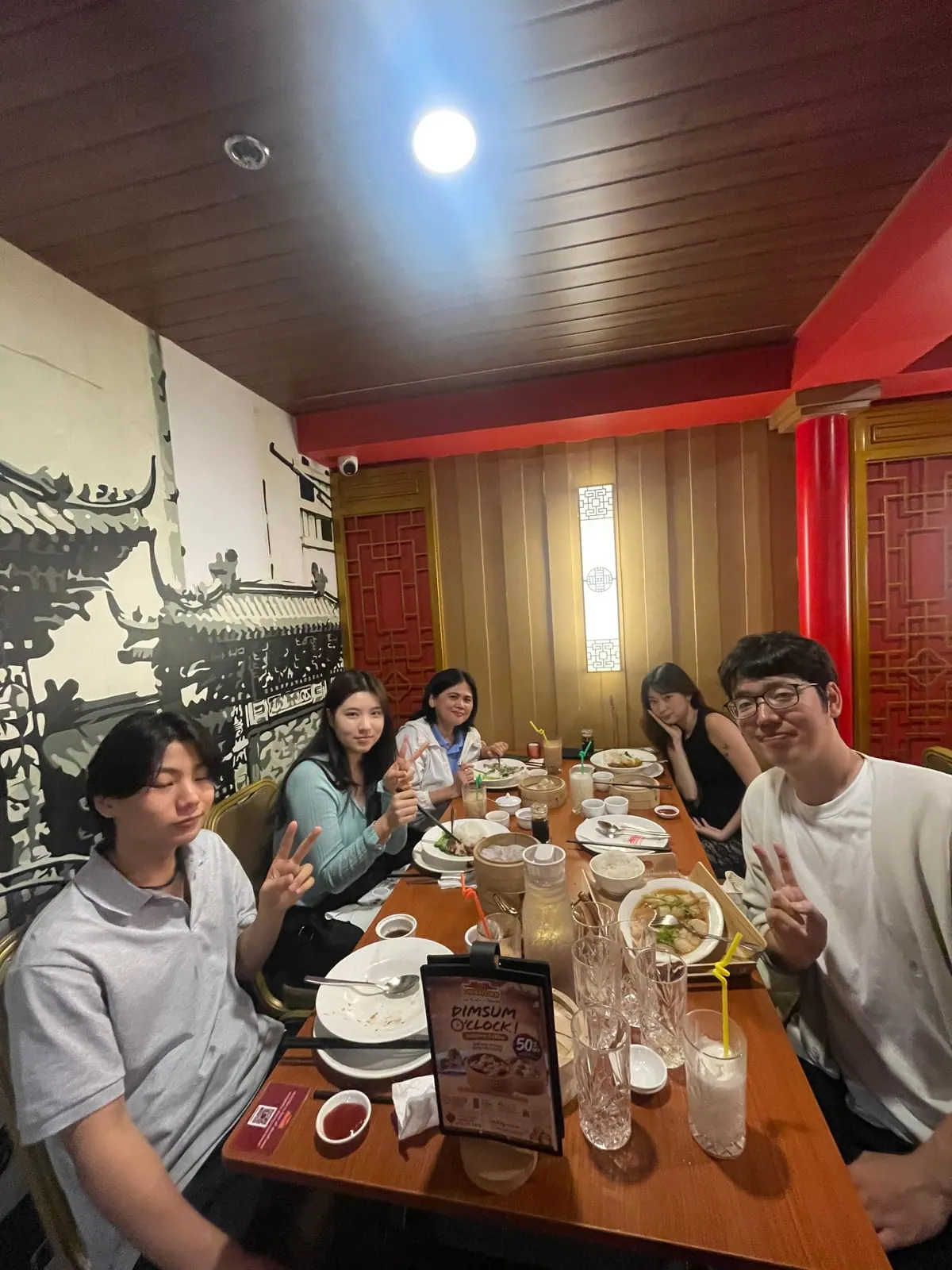
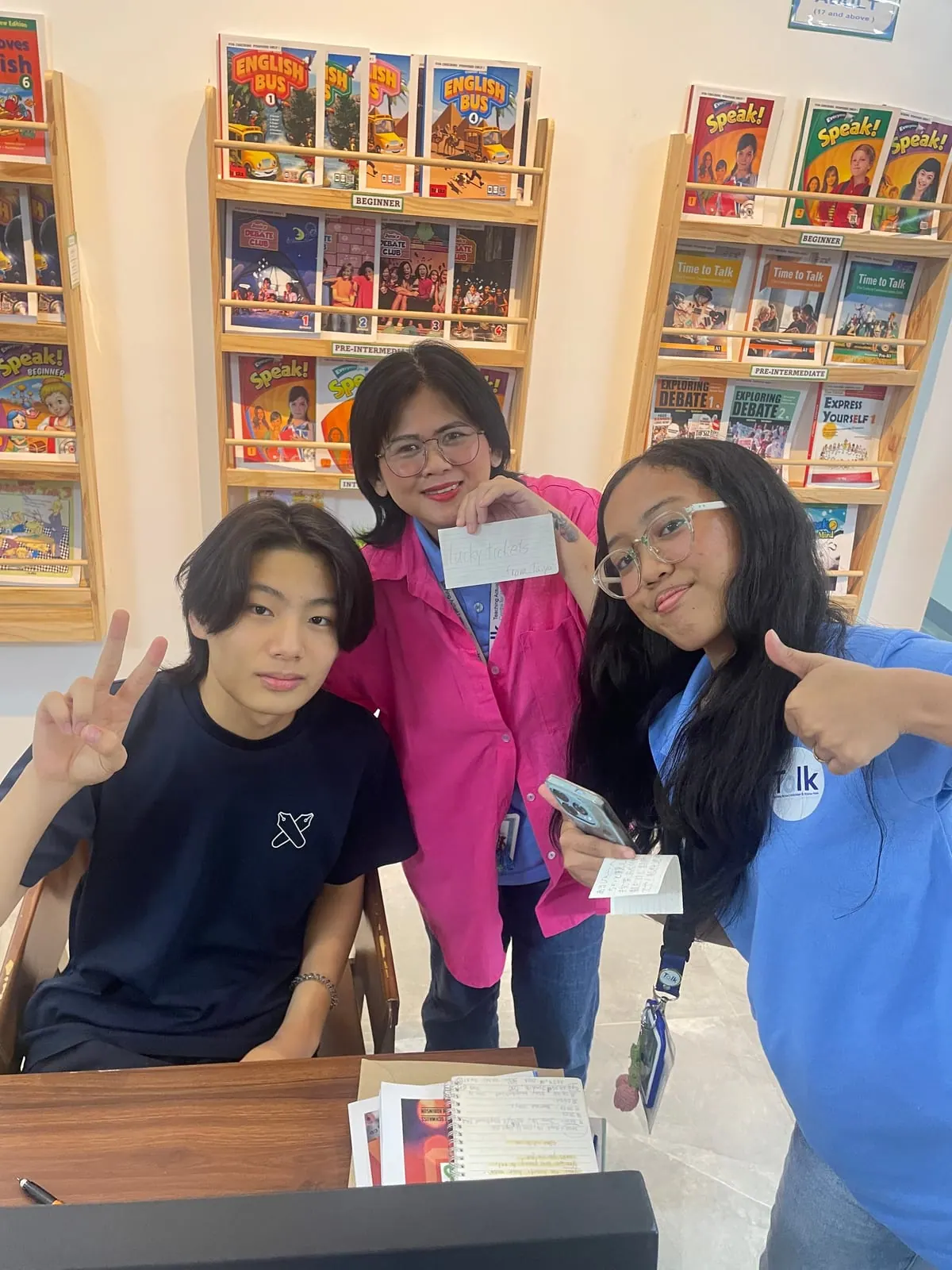
Outside class I spent time with friends my age from Korea, Taiwan and Saudi Arabia, and on days off we went to the cinema and restaurants together.
Korea, Taiwan, Saudi Arabia. That combination is not easy to assemble in a Japanese high school, and not much easier in an American one.
The word doing the work here is *my age*. In adult language schools the age range scatters; among teenagers the topics line up. When topics line up, the amount of talking goes up. As conditions for improving English go, there are few more efficient than that.
His roommate was from Saudi Arabia
On the person he shared a twin room with, he writes:
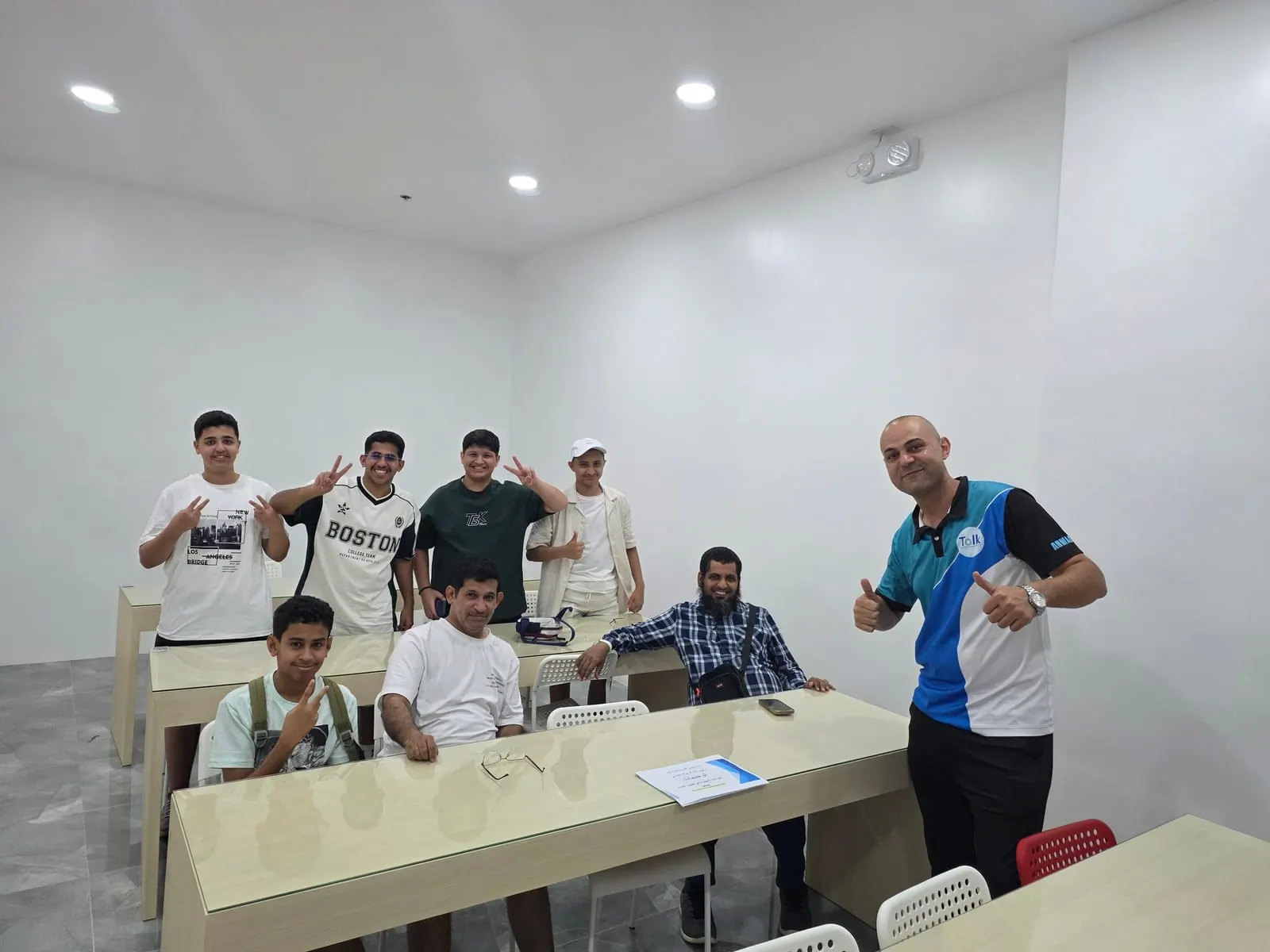
The dorm was a twin room and my roommate was from Saudi Arabia, so I had chances to talk about religion and food culture, and my understanding of other cultures deepened.
As things that happen during a stay abroad go, this is unusually dense.
Religion and food culture are hard territory for a textbook. Prayer times, what cannot be eaten, the month of fasting. Reading it as information and hearing it as everyday conversation from the person sharing your room leave completely different traces.
From a purely linguistic view it is excellent training too. Religion and culture sit a level above the weather and hobbies. Both the person explaining and the person listening end up speaking while searching for words. An environment where that happens daily cannot be built from lessons alone.
The evenings were English too
On what happened after class, he is specific.
In the evenings there were free vocabulary classes and movie classes, so I was surrounded by English every day.
Free evening classes. Easy to overlook when comparing schools, and a large factor for a teenage learner.
The reason is simple: this age group has time, and no use for it if nothing is put there. With no options in the evening, the hours become a phone in a bedroom. The moment content in your own language starts, the English stops.
Vocabulary and film are also a well-designed pair for a tired evening. Vocabulary works the brain but ends quickly; a film class keeps you in English at low effort. Whether you can end the day in English feeds directly into the total for fourteen weeks.
Discussion-format lessons
On the classes themselves, he adds one line.
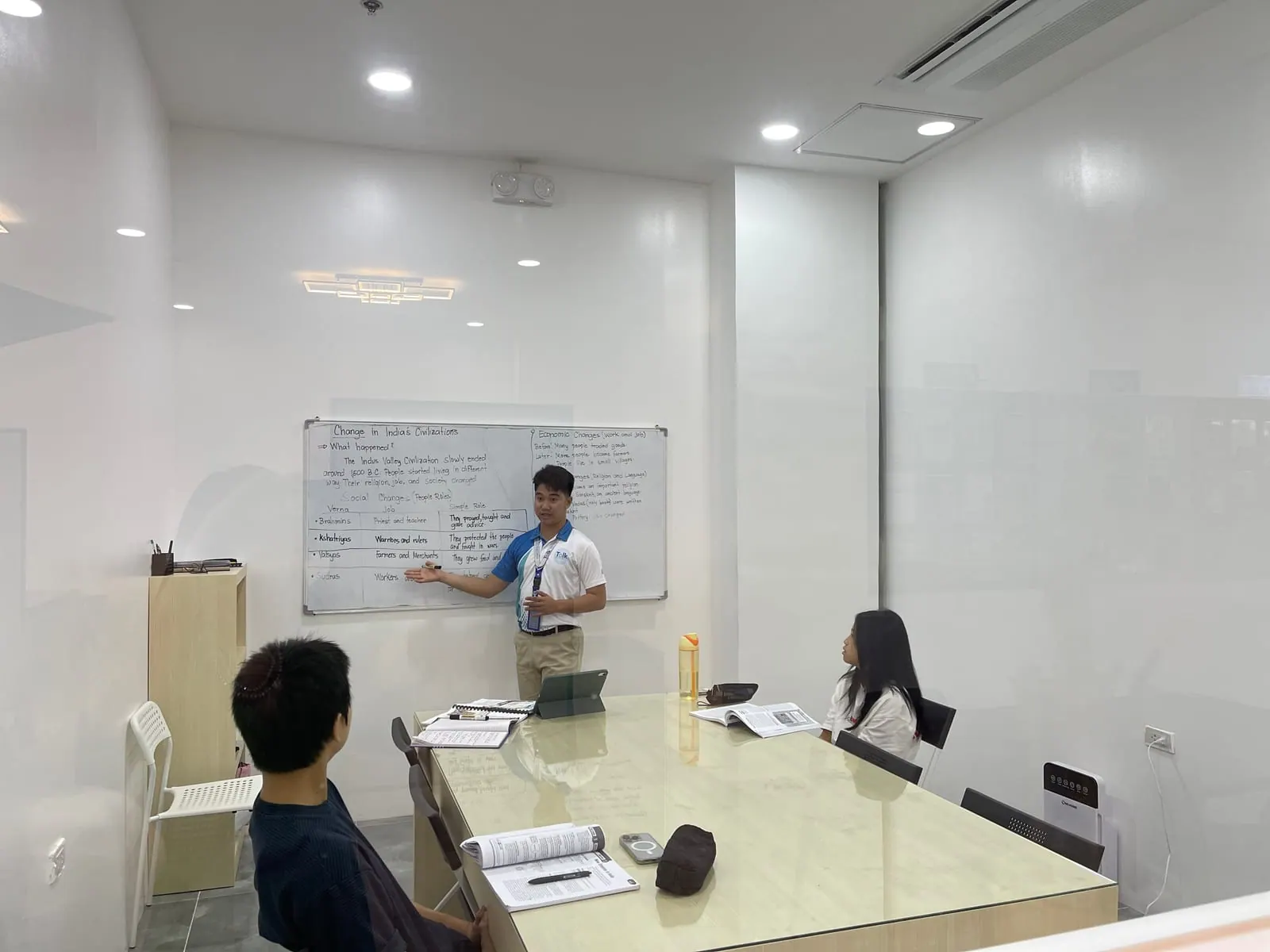
Some lessons were discussion-based, so there were many situations where I used English naturally.
When you are finishing your English before school abroad, being able to say something on the spot matters before being able to write it correctly. In classrooms overseas, a student who does not speak is difficult to assess.
Discussion-format lessons are exactly that rehearsal. You are not reading a prepared sentence; you think in the moment and say it out loud. You make mistakes and finish the sentence anyway. That muscle grows only in proportion to the hours you use it.
A clarification: Talk's Hybrid course combines one-on-one and group lessons. These are not native-speaker classes. Clark as a district does have a large Western expatriate population, but the teachers who work with students at Talk are Filipino.
What he did with days off
For a teenager, days off shape the outcome more than most people expect.
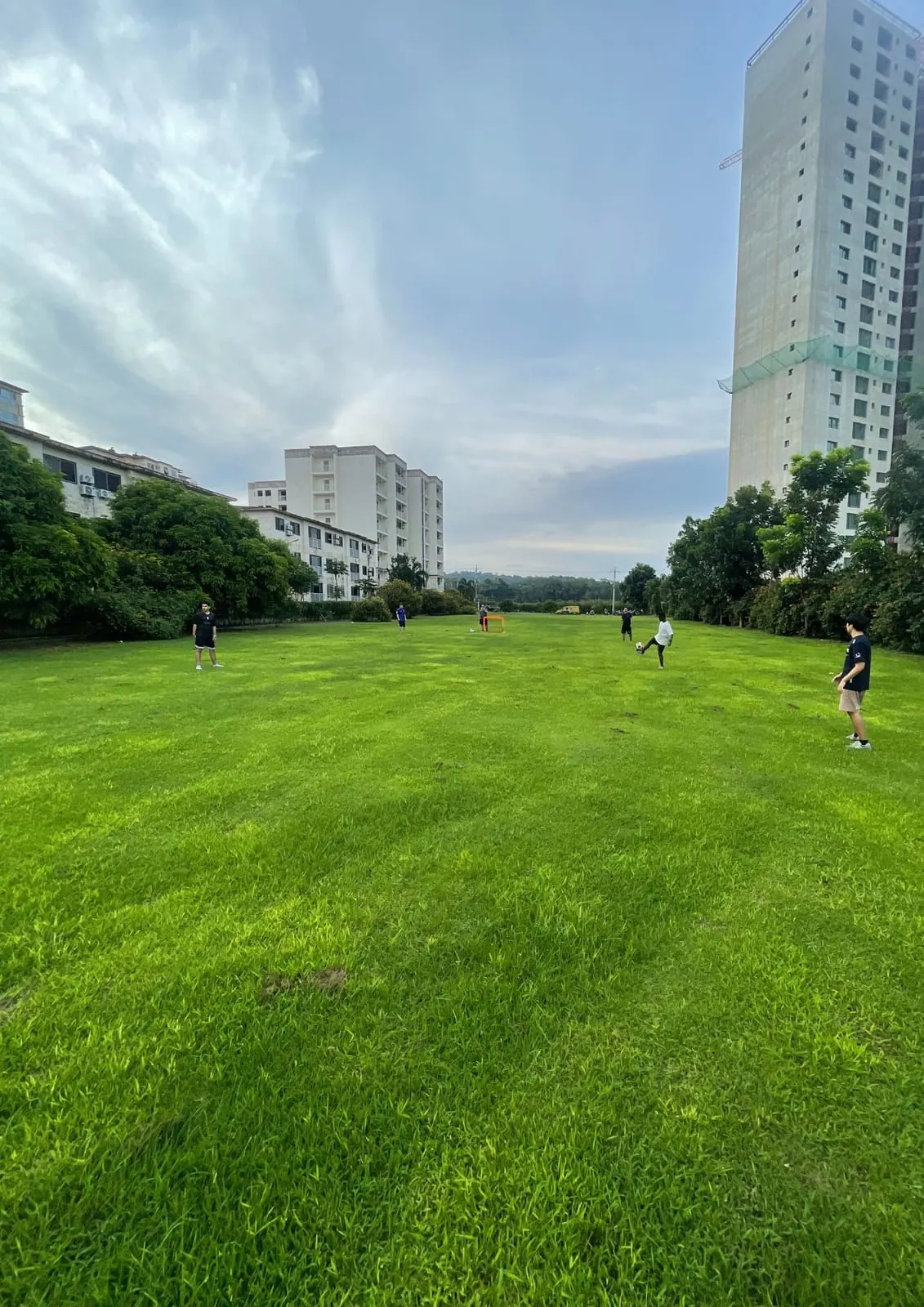


The campus is easiest to see in the footage he shot himself.
Cinema, restaurants, a water park. Somewhere to go, and someone to go with. With both in place, a day off does not become a day of nothing. And when the people you go with come from several countries, the day off is English time as well.
How much of a stay actually runs on those unscheduled hours is what another student worked out over her own first week, in The English that happens outside class.
What fourteen weeks gave him
I came away with more than English — I got to enjoy meeting people from everywhere.
That is his conclusion.
He booked the fourteen weeks with a clear, practical goal. Looking back, what he names is not only the language. Before starting an American high school he had already lived once in a genuinely international setting — and that carries straight over.
Six things to look at if you're preparing for high school abroad
Drawn from Nishimura's fourteen weeks, for choosing a school with this particular goal.
- Are there students your own age? The number of people whose topics line up with yours becomes your speaking volume.
- The nationality mix. At a school dominated by one nationality, more hours pass where English is not the shared language.
- Is there an evening programme? Paid or free, optional or not. For teenagers, how the evening is designed makes the difference.
- Are there discussion-format lessons? Overseas classrooms assess participation.
- Is there somewhere to go on days off? A destination and company — are both there?
- Can you move your body on the grounds? Without it, this age group has no outlet.
Frequently asked questions
Q. How many weeks do I need before starting school abroad?
A. It depends on the goal. Nishimura's fourteen weeks aimed at getting comfortable in conversation and able to speak up. If you need to rebuild the foundations, allow more; if you only want to loosen up your speaking, shorter stays still produce change.
Q. Can a teenager travel alone?
A. The school arranges everything from airport pickup to dorm check-in. Depending on age, guardian consent documents may be required — check with your agency.
Q. "International" is a broad word. Which nationalities are actually there?
A. It shifts by season. His account records a lot of Korean, Taiwanese and Saudi students during his stay. Ask your agency for the current mix before booking.
Q. Are the evening classes compulsory?
A. They are optional. But over fourteen weeks, the gap in English exposure between students who attend and students who don't is considerable.
Enquiries go through our partner agencies
Enrolment and quotations for Talk Academy are handled by partner agencies in each country. For dates, courses, dormitory types and costs, please contact the agency for your region.
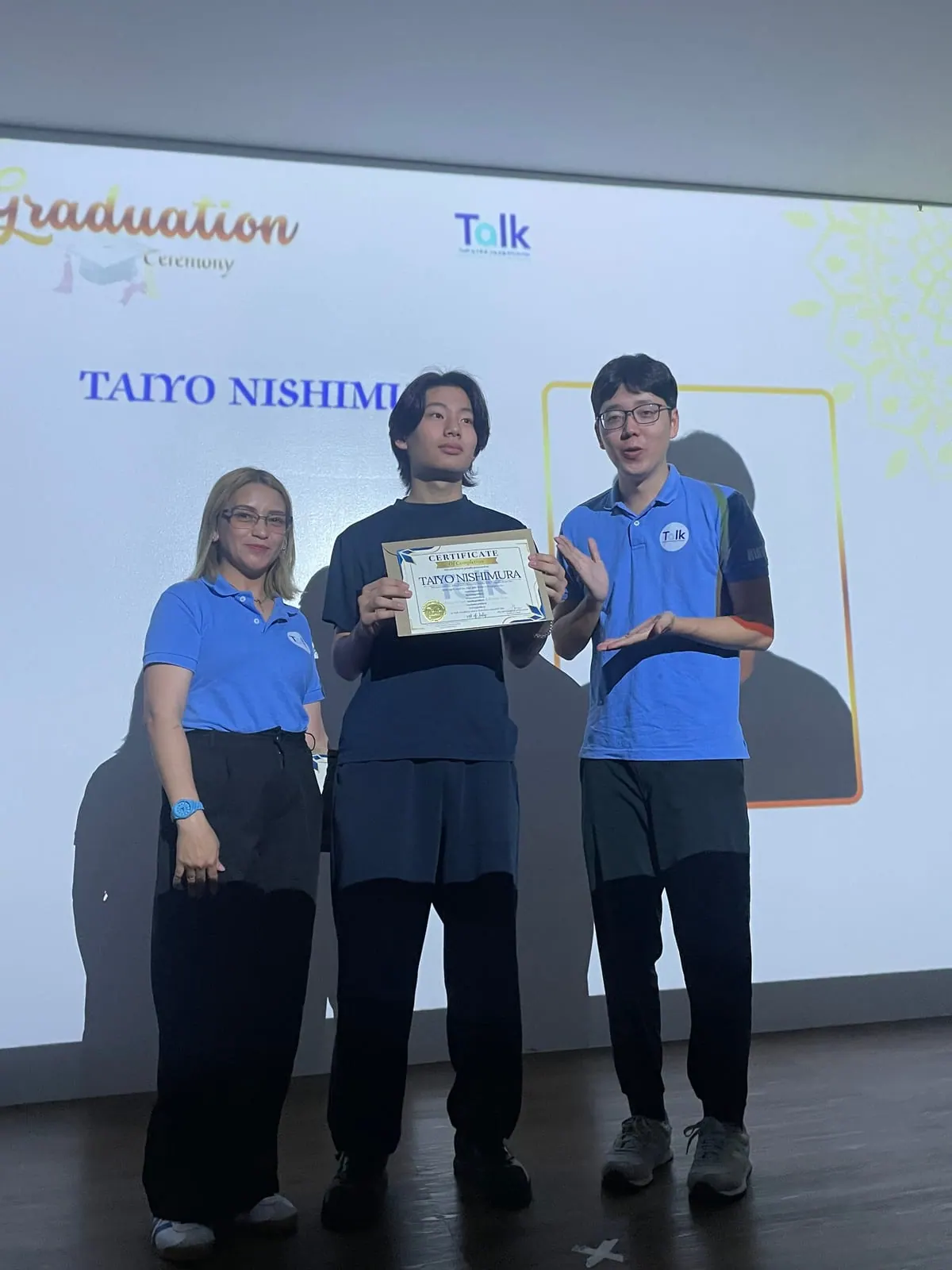
*This article was assembled from the written account, photographs and video submitted by Taiyo Nishimura, published with his permission. He completed a fourteen-week course at Talk Academy in 2026.*